Lessons From The Milk Stand

Good milk begins long before the milk stand—with good genetics, quality feed and hay, clean water, and consistent care. But even the best genetics will not produce abundance if the daily work is neglected. Supply follows stewardship. Provision follows obedience to the process.

The milk stand reminds me that God often works this way.

He is the One who gives the increase—but He has established rhythms. Daily faithfulness. Ordinary obedience. Showing up even when it’s inconvenient or tiring.

Milking must happen daily. Not when it’s convenient. Not only when it feels fruitful. If a doe is not milked out, she will become sick. What was meant to nourish can instead cause harm when discipline is ignored. The same is true in many areas of life—faith, motherhood, stewardship, even rest.

Scripture is clear that faith is not passive. It is lived out in obedience. Not to earn salvation—but because God’s ways are good, and His design leads to life.

The milk stand teaches me that abundance doesn’t come from striving harder, but from faithfulness within the structure God has already given. When the work is done as it should be, there is enough…Enough for today, enough to share, enough to prepare for what’s ahead.

And that is grace—not chaotic or random—but steady, sustaining, and trustworthy.

For a step-by-step, more practical post on the milking process, take a look here.

My Once-a-Day Milking Routine: Tools, Feed, and Clean Handling

I’m often asked what my milking routine looks like—what I feed, how I clean, and how I handle milk once it leaves the stand. This post is simply a practical walk-through of what I do here, once a day, during milking season.

Every farm is different, and this isn’t meant to be prescriptive—just transparent. Over time, I’ve found that consistency, cleanliness, and simplicity matter more than doing anything complicated.

Once-a-Day Milking

I milk my does once per day. This rhythm works well for our herd, our family, and this season of life. It allows me to maintain their health, provide nourishment for our household and goat kids, and still steward milk for soap and lotion making as we prepare for market season.

Feed on the Milk Stand

While on the milk stand, my does receive a balanced ration that keeps them content, nourished, and focused during milking.

Their routine includes:

I like using a combination of quality feed and herbs to support digestion, milk production, and overall health. The milk stand has always been a positive place for my goats, and consistent feeding plays a big role in that.

Cleaning Before Milking

Cleanliness is so important.

Before milking:

  • Spray udders and teats with FightBac OR use Iodine + Teat dip cups

  • Wipe thoroughly using a washcloth with solution of warm water, a drop of dish dawn soap + couple drops of Essential oils (I usually use lavender + tea tree or thieves)

This step removes dirt and bacteria while also allowing me to check the udder and teats for any issues before milking begins. IF I’m milking on the fly simply to empty the udders and I’ve not followed each of my cleaning steps and/or if a goat stomps a hoof into the milk or something similar happens, the milk automatically goes back to the chickens, dogs, and garden instead of being kept.

Milking Equipment

I milk directly into this stainless steel milk pail, which is easy to sanitize and doesn’t retain odors or bacteria. Stainless steel has held up well over time and gives me peace of mind when it comes to cleanliness.

Filtering and Storage

Immediately after milking:

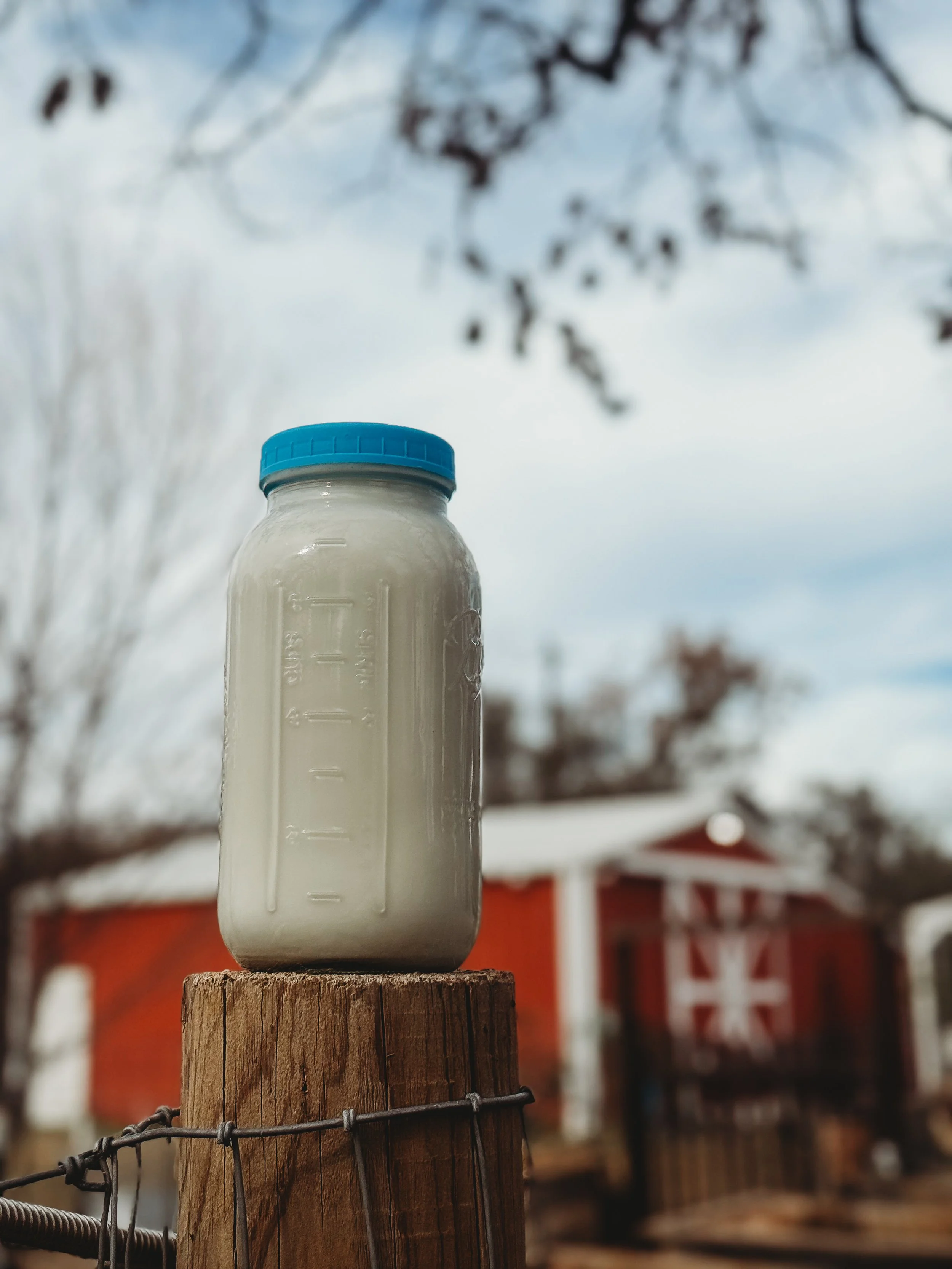
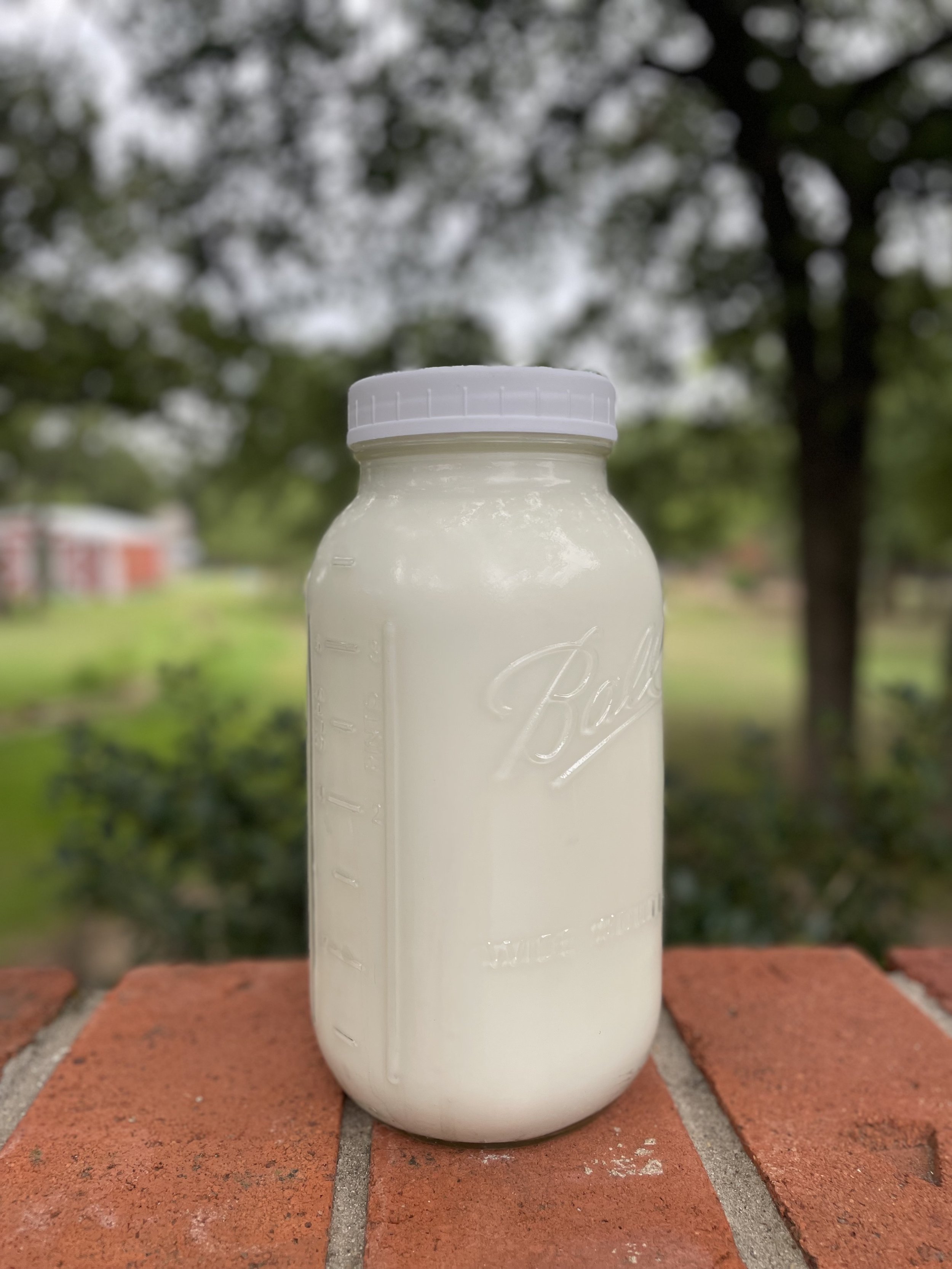
  1. I pour the milk into half-gallon glass mason jars

  2. I use a stainless steel funnel with disposable milk filter disks

  3. Each jar is labeled

  4. Milk goes straight into the back of the refrigerator to cool quickly

Handling milk promptly and keeping everything clean from stand to fridge is one of the most important parts of the process. If I have time, the best practice for our drinking milk is to put the mason jar directly into the freezer for 30 minutes for a quick chill. I have to set a timer if doing this as it’s easy to forget to move it to the fridge.

Why This Routine Works for Us

When organized with cooperative goats, the entire routine takes no more than 30 minutes for my two does. This routine isn’t fancy, but it’s intentional. It supports the health of my goats, provides nourishment for my family and bottle babies, and allows me to steward milk for future use. It’s a rhythm that fits our farm and keeps things sustainable during a busy season.

I currently hand milk my does but I do have two different milking machines that I can utilize if my hands ever tire or if the process becomes overwhelming. The trade-off is the cleaning of the machine parts which takes a considerable amount of time.

As with most things on the homestead, consistency matters more than perfection. Milking is daily work. Done with care, it becomes one more quiet way the farm gives back.

Look here for some of my latest reflections and lessons from the milk stand.

Experienced milking friends, what am I missing? Feel free to comment if you do something different or have any suggestions! Happy milking to you!

Children on the Farm

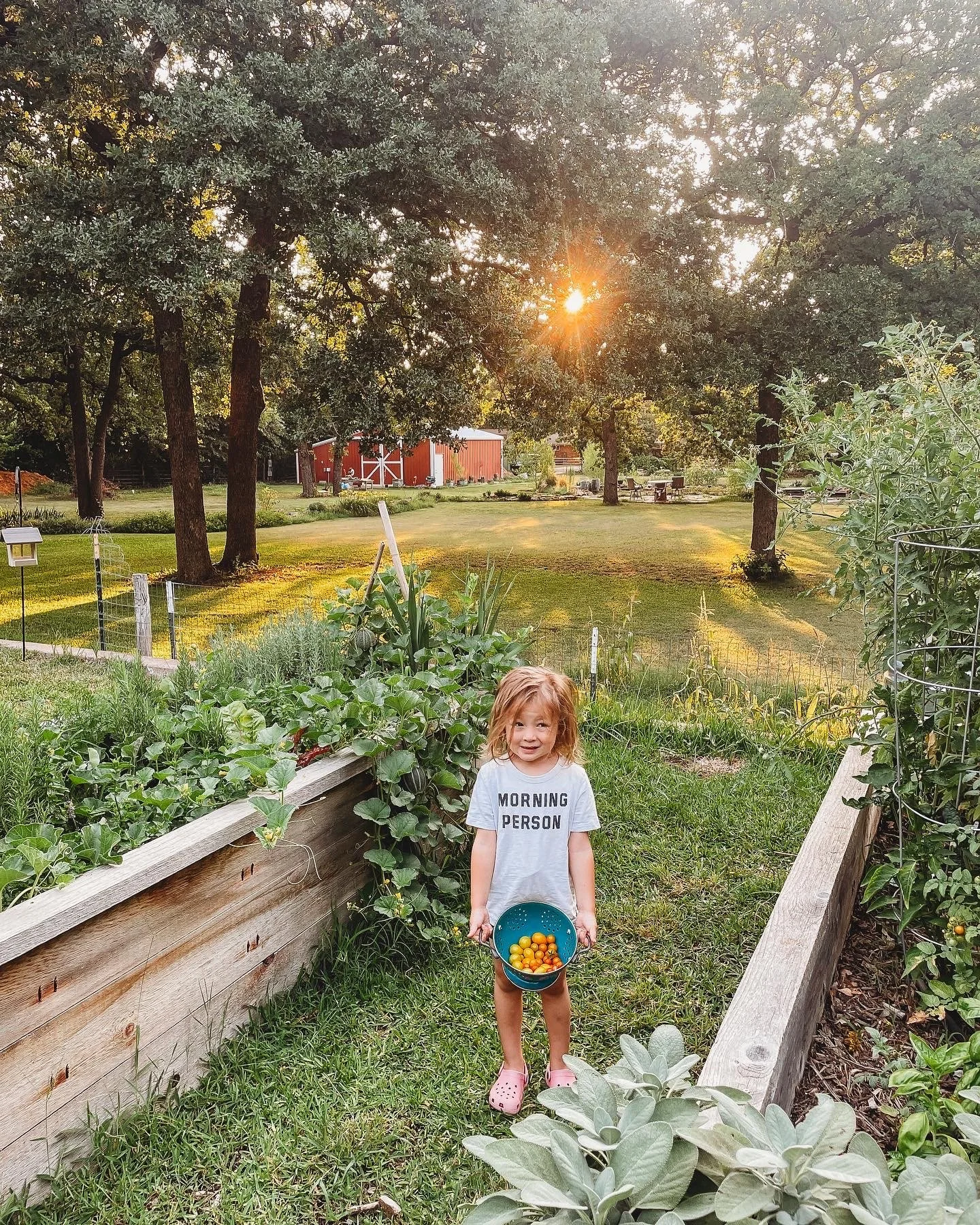
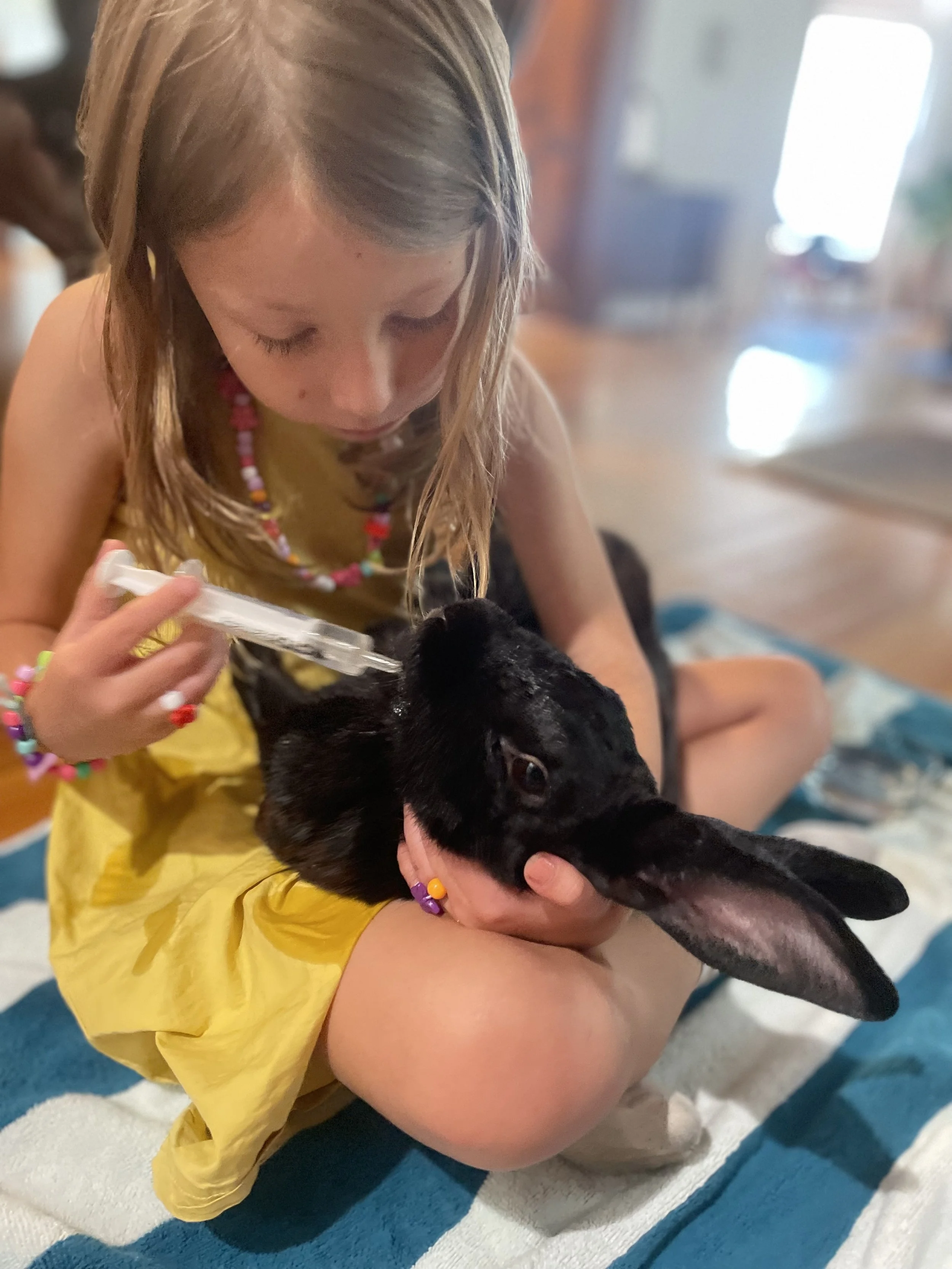
I’ve never wanted the farm to feel heavy to my children.

From the beginning, my hope has been that it would simply be there—a constant, living presence woven in the background of their lives. Something they could step into when curiosity stirred, walk away from when they needed rest, and return to again when their hearts were ready.

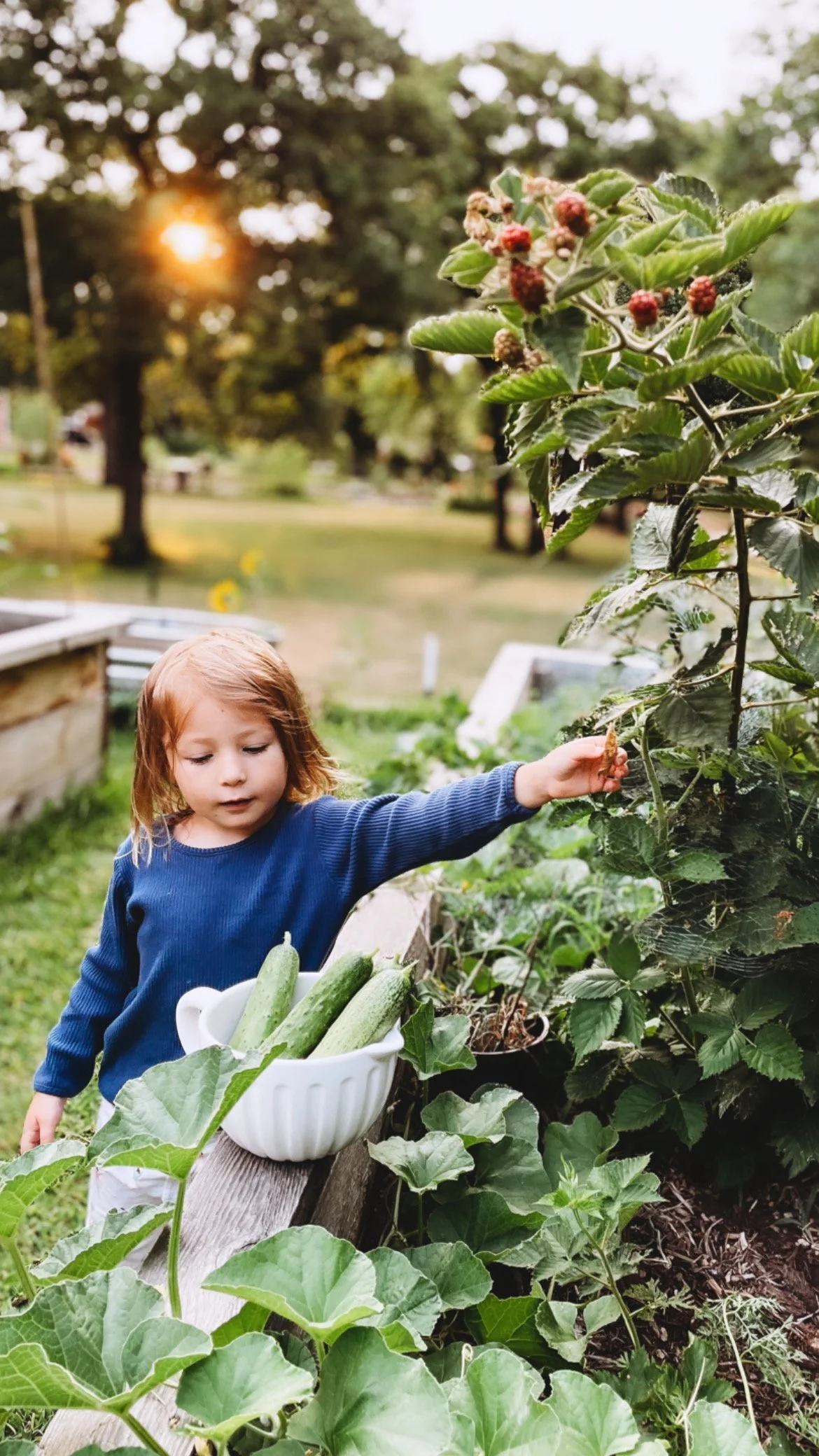
The animals are part of our days, but they are not an obligation placed on small shoulders. The garden grows whether little hands help or not. The goats are fed whether the kids join me or choose to stay inside. I want them to know that this life is an invitation, not a requirement.

And yet, more often than not, they choose it.

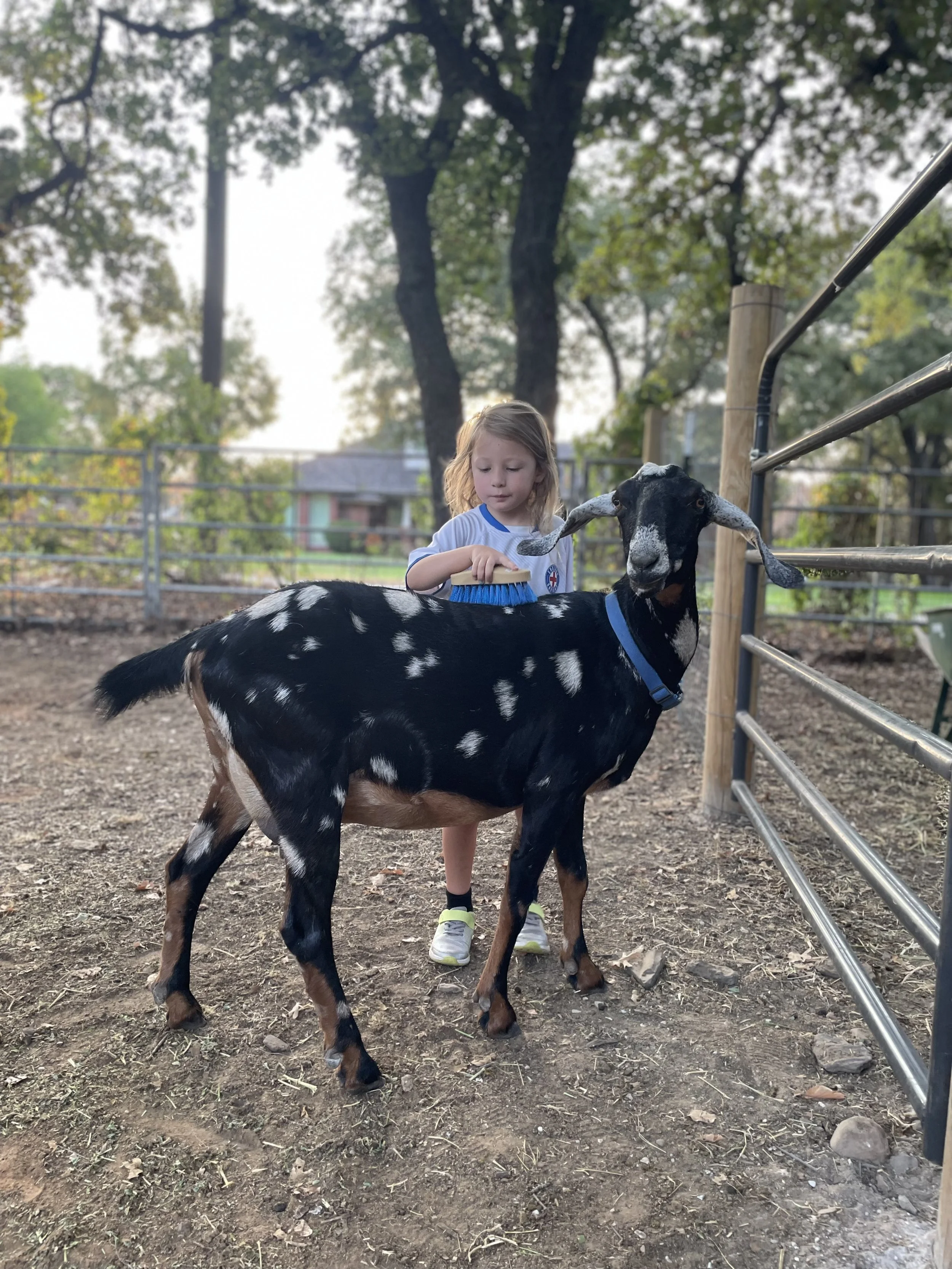
Just this evening, as I was heading out for night chores, my two youngest threw on their shoes and grabbed their flashlights, announcing—without asking—that they were coming with me. There was no assignment given, no expectation set. Just eagerness.

I handed them the baby bottle, freshly warmed and filled with today’s milk, and told them to take it to the baby goat for her nighttime feeding. Off they ran, flashlights bouncing, voices full of purpose. Over the gates they climbed…dogs by their side.

They fed baby Selah all on their own and came back to report—proudly—that she’d taken the entire bottle. I thanked them for their help, encouraged their hard work, and sent them back up to the house to wash hands and get ready for bed.

Flashlights blazing the path ahead of them, they ran uphill into the dark with pure joy lighting the way.

Moments like that feel like quiet confirmation.

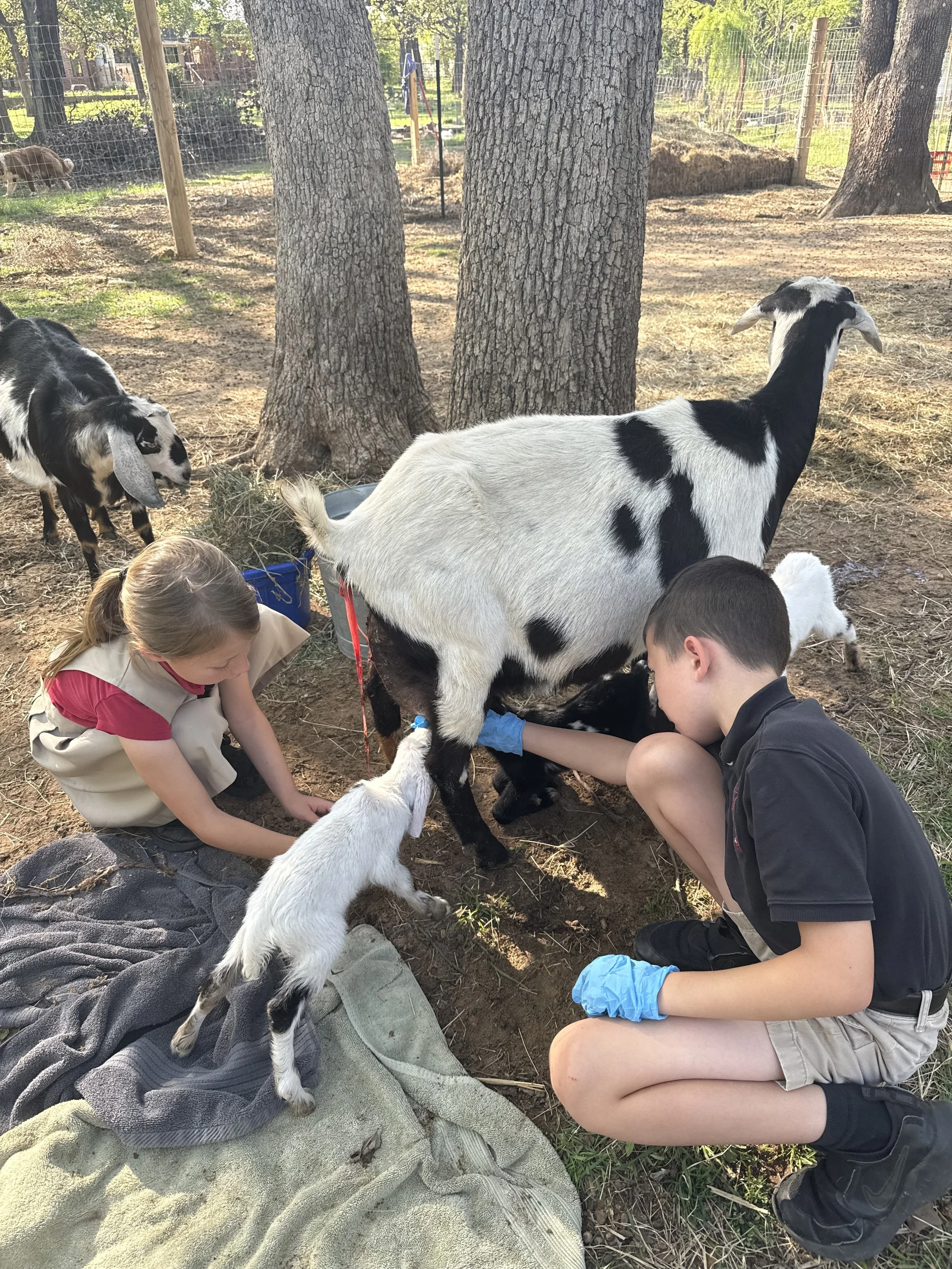
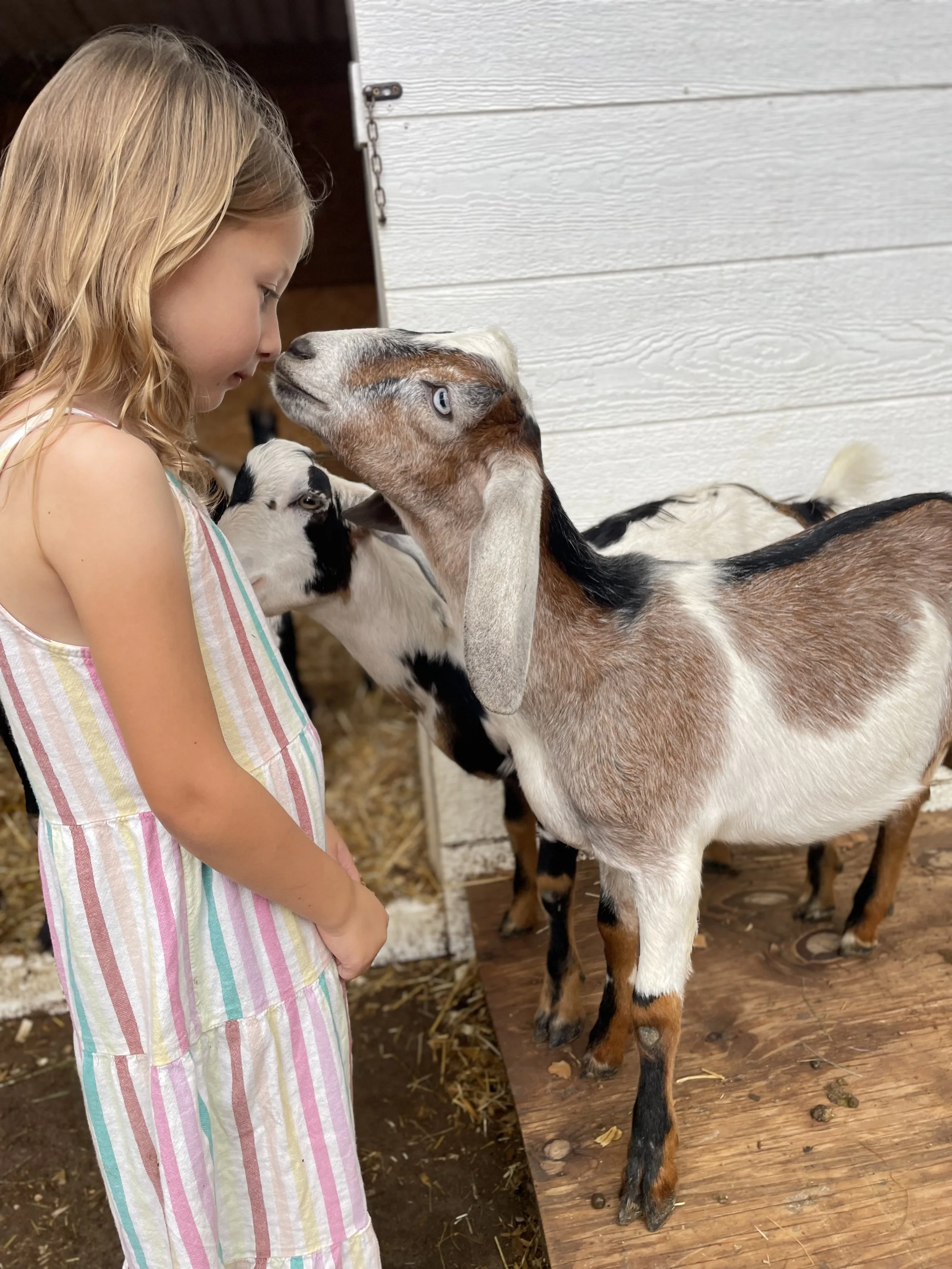
I see the farm shaping my children slowly, the way good things usually do. They’re learning responsibility without pressure, care without urgency. They notice when something is off. They celebrate new life. They grieve loss honestly. Gratitude seems to come more easily here, rooted in daily provision.

They tell me often how thankful they are that we have a farm. And every time, I tuck that gratitude away gently. Because more than anything, I want them to look back one day and remember this as a place of safety, reverence, and beauty, not strain.

Raising children alongside livestock teaches me restraint.

It would be easy to turn this into curriculum… to insist they participate, to make productivity the point. But I’ve learned that love grows best when it’s chosen… that curiosity flourishes when it isn’t managed too tightly.

So instead, we let the farm teach quietly.

It teaches patience when seeds take longer than expected, humility when plans fail, and wonder when life arrives unexpectedly. It teaches stewardship when care is required day after day. It teaches reverence—because it is difficult to witness birth, growth, and provision so closely without sensing the hand of a Creator.

God feels near out here.

He is present in the reflection of the sunrise on the pond and in healthy animals, in tired hands and satisfied hearts. He is present in children trusted with something small and good and in the confidence of little feet running into the dark, certain the path is safe and the work is meaningful.

I don’t know what paths my children will choose as they grow. They may love this life forever, or they may leave it behind. Either way, my prayer is the same—that they carry with them the memory of a home where the beauty of creation drew them outside, where faithful daily work led to life and sustenance, and where God was intentionally woven into the fabric of everyday life… a life where all was received with thankfulness.

And if this farm helps teach them that—then it has done more than enough.

Whole-Grain, Corn-Free, Soy-Free Chicken Feed Experiment: DIY Recipe

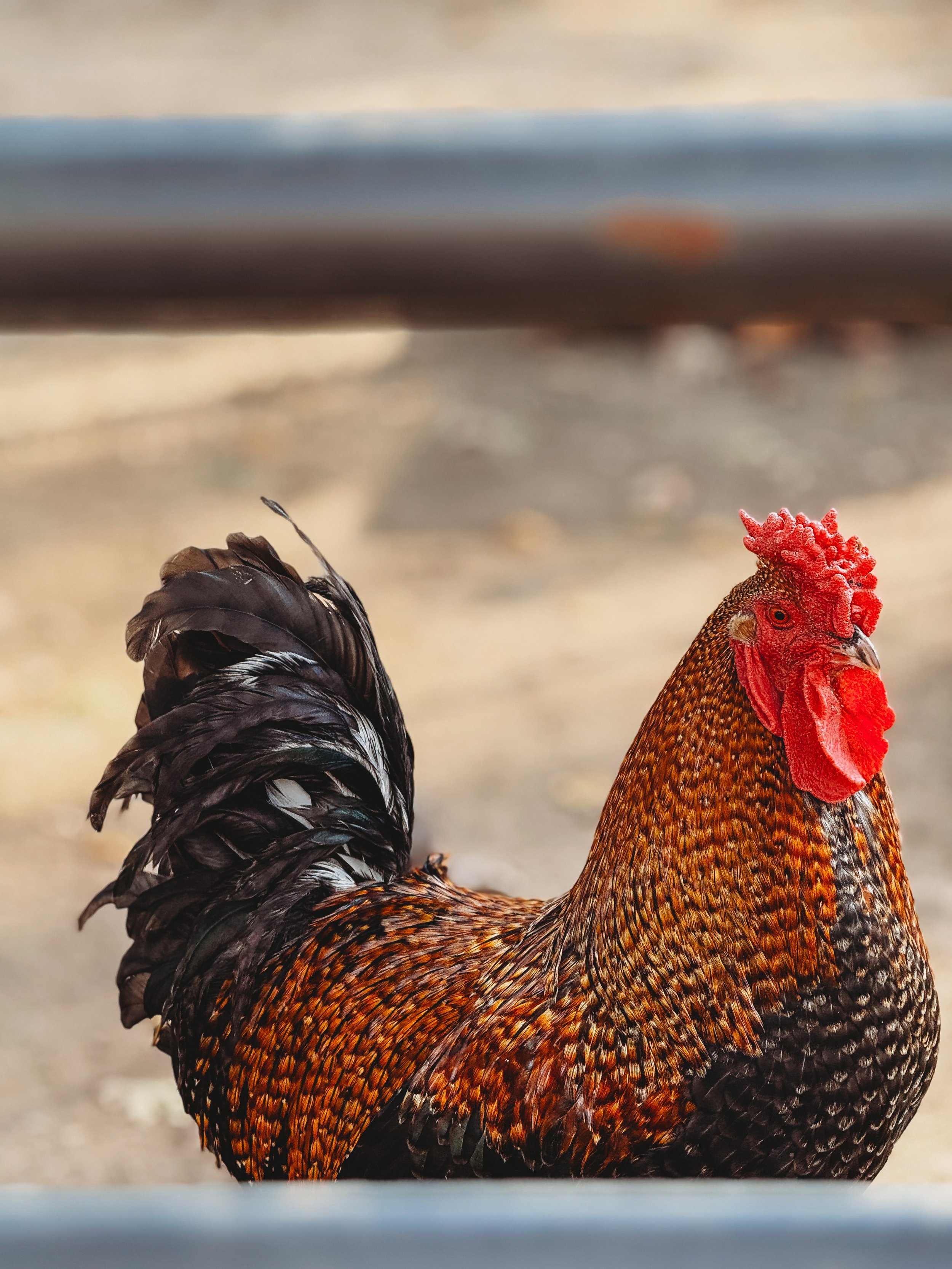
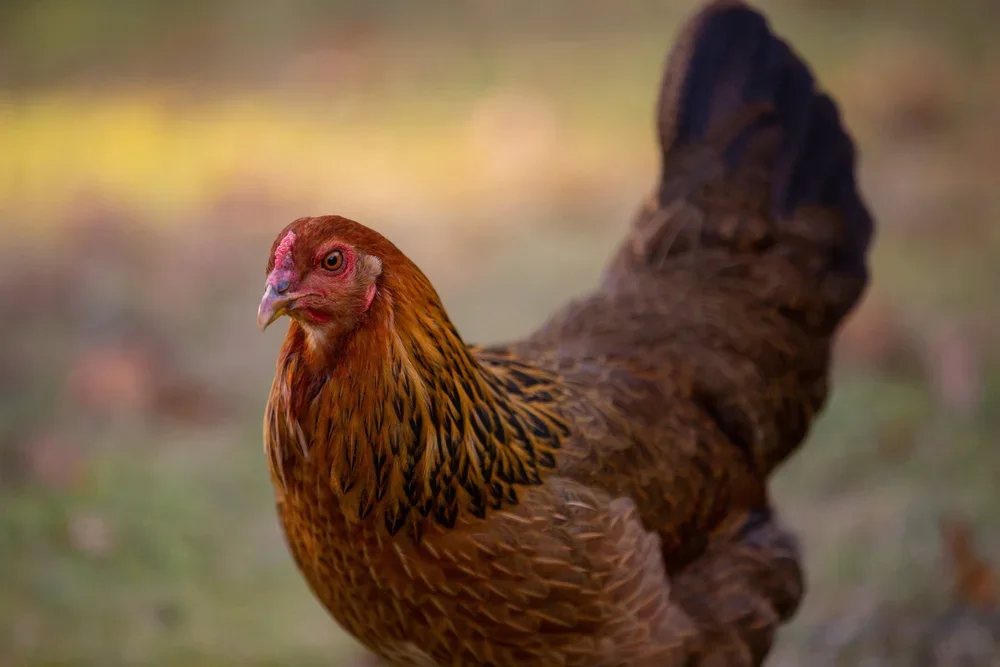
Over the past few months, I’ve been experimenting with making my own chicken feed using whole grains, intentionally avoiding corn and soy. I wanted to share what’s been working for us in case it’s helpful to others who are curious about DIY feed or looking for alternatives to conventional bagged rations.

This mix is made entirely from whole ingredients — grains, legumes, and seeds — rather than processed pellets or crumbles. One of the things I appreciate most is that every ingredient is recognizable. Nothing is ground down, artificially colored, or heavily processed. If someone wanted to take it a step further, each ingredient can be sourced organically, making it possible to create a fully organic ration if that’s important to you.

Why Corn-Free and Soy-Free?

One of my motivations for avoiding corn and soy is the high glyphosate usage commonly associated with the commercial production of both crops. While sourcing organic versions can help mitigate this, I wanted to explore whether a corn- and soy-free feed could work well without sacrificing flock health or egg production, or incurring the steep cost of organic, corn-free, soy-free commercial feed.

I’m also personally mindful of soy intake in general, particularly when it comes to hormonal balance — something I think about often as a woman and as a mother. While chickens are not humans, I prefer to keep inputs as simple and moderate as possible. This approach feels more intentional and aligned with how I want to steward both our animals and our home.

How It’s Been Going

So far, the results have been very encouraging:

  • Egg production has been stable and right where I’d expect it to be

  • Eggshells have been consistently hard and strong

  • Yolks and whites look healthy and normal

  • The birds eagerly eat the mix

  • The feed has stretched longer than expected

Cost & Practical Reality

This approach is not cheaper than the cheapest processed feed available, particularly corn-heavy rations. However, it has been a cost-saving measure compared to higher-quality bagged feeds, especially corn-free or soy-free commercial options.

For me, the value goes beyond cost:

  • Knowing exactly what my chickens are eating

  • Reducing reliance on highly processed feeds

  • Offering a more whole-food, ingredient-based ration

The Recipe (Whole Grain, Corn-Free, Soy-Free)

This is the mix I’ve been using successfully. Percentages make it easy to scale up or down depending on flock size.

  • 30% Wheat

  • 30% Oats (or barley, if preferred)

  • 23% Split peas (or lentils or field peas, if preferred)

  • 12% Black oil sunflower seeds

  • 4% Alfalfa meal or pellets (can do ground or crumbled. We let them forage around and eat the alfalfa on the ground from our livestock)

  • 1% Mineral mix or limestone (I throw in a handful of our goat’s loose minerals -Sweetlix)

Important notes:

  • Offer free-choice oyster shell for laying hens to support strong eggshells.

  • This recipe is based off of a flock that free-ranges! It may need to be altered if this is the only food source your chickens are receiving

The logistics:

  • I use these feed bins for storing my goat & chicken feed in our feed/supply shed

  • I estimate my percentages of ingredients! I don’t weigh or measure… I just pour and use my judgement. So far, so good!

  • I use a similar chicken feeder to this one in the chicken run

  • We put the oyster shells in this hanging feeder inside the chicken run. The chickens can access it at all times

  • I use a simple 5-gallon bucket (the cheap kind from Tractor Supply or Home depot) to scoop all of my feed into from the large feed bin and then dump the bucket into the feeder in the run. I usually have to fill it about every 5 days for my flock of birds.

  • I work with my local, private owned, feed store to order the ingredients I need if they don’t already have them. If you’re local to DFW area, D&L in Denton is my go-to!

Final Thoughts

This isn’t the only way to feed chickens, and it may not be the right fit for every setup. But for those who enjoy a more hands-on approach, want to avoid corn and soy, or are looking for a whole-grain alternative, this has been a very workable and satisfying path for us.

I plan to continue feeding this way and adjusting as needed. If you’re curious, have access to whole grains locally, or simply want to try something different on your own homestead, this might be a worthwhile experiment for your flock too.

Don’t hesitate to reach out with questions! I’d love to hear if you’re doing something similar. Happy farming to you!